Tap Water in Berlin: Quality, Hardness, and Filtration
Is Berlin’s tap water safe to drink? Learn about its quality, hardness, and filtration options here!


Tap Water in Berlin: Quality, Hardness, and Filtration
Berlin’s tap water is generally considered safe, high-quality, and drinkable. It comes primarily from groundwater sources and is subject to strict European safety regulations. However, some residents have concerns about its hardness, taste, and the presence of trace substances. In this article, we’ll cover everything you need to know about Berlin’s water, including filtration options and how it compares to bottled water.
Is Berlin’s Tap Water Safe to Drink?
Yes! Berlin’s tap water meets strict safety standards and contains essential minerals like magnesium and calcium, making it a healthy choice. Regular testing by Berliner Wasserbetriebe (BWB) ensures that the water remains free from harmful contaminants.
That said, while pharmaceutical residues have been detected in small amounts, they are not considered a health risk, and the city is working on improving filtration methods.
The BWB provides water testing. They also do one test for free for Berlin households with pregnant women or infants up to twelve months old. See more details on their page: BWB.
Hard Water in Berlin: What You Should Know
Berlin’s water is considered hard, meaning it contains a high amount of calcium and magnesium. This isn’t harmful to drink but can cause limescale buildup in kettles, coffee machines, and pipes.
How Hard Water Affects Skin & Hair
While hard water is safe to drink, it can impact your skin and hair:
✔ Skin: Hard water can make skin feel dry, tight, and irritated, especially for those with sensitive skin or eczema. The minerals in hard water can also interfere with the effectiveness of soaps and cleansers.
✔ Hair: Many people find that hard water makes hair dry, dull, or harder to manage. It can lead to product buildup, making it more difficult for shampoos and conditioners to work effectively.
Solutions for Hard Water & Skin Care:
Use a shower filter to reduce mineral buildup on skin and hair.
Apply a moisturizer after showering to prevent dryness.
Consider using a clarifying shampoo to remove mineral buildup from hair.
How to Deal with Hard Water:
Use a water filter for appliances like kettles and coffee machines (our customers are mostly using one of those: Brita on Tap Pro VMF, Riva or BWT filters).
Clean appliances regularly to remove limescale.
If you dislike the taste, a simple activated carbon filter may help.
Reverse Osmosis: The Ultimate Filtration System?
For those who want the purest possible water, reverse osmosis (RO) is one of the most effective filtration methods. It removes nearly all impurities, minerals, pharmaceutical residues, and bacteria, resulting in ultra-clean water.
Pros & Cons of Reverse Osmosis:
✅ Removes nearly all contaminants, including pharmaceutical traces.
✅ Prevents limescale buildup, protecting appliances.
✅ Improves taste, making it softer and more neutral.
❌ Removes beneficial minerals, which some people prefer in their drinking water.
❌ Can be wasteful, as it discards a portion of the filtered water.
❌ Requires installation and maintenance.
While Berlin’s water is safe without RO, it can be a good option for those concerned about pharmaceutical residues, taste, or limescale buildup.
Do You Need a Water Filter?
Filters are not necessary for safety, but they can improve taste and protect appliances. However, improperly maintained filters can become a health risk—old filters can accumulate bacteria, making the water worse instead of better.
If you choose to use a filter, change it regularly according to the manufacturer’s instructions.
Tap Water vs. Bottled Water
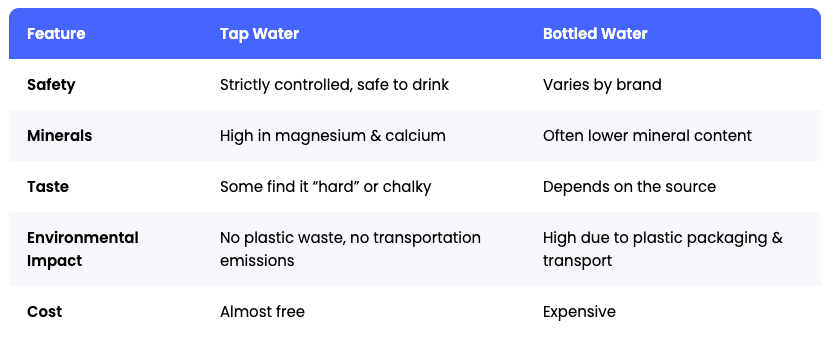
While some people prefer bottled water for taste reasons or because they believe it’s gentler on their stomach, tap water remains the cheaper, more eco-friendly choice.
Final Thoughts
Berlin’s tap water is safe, mineral-rich, and environmentally friendly. If limescale is an issue, a filter may help—but remember to change it regularly. Whether you choose tap or bottled water, the best option is what works for you.
For official water quality reports, visit Berliner Wasserbetriebe.
Little Big Project
English-speaking handyman services for homes and businesses in Berlin.
Explore
© 2026 Little Big Project.
Mehringdamm 33
M33 Höfe, 10961 Berlin
Mon-Fri · 09:00 – 18:00